 ultimate-guide
How to Weigh the Benefits of Reverse Osmosis Water
Last Updated: November 12, 2026
Quick Summary
Reverse osmosis water removes a broader range of dissolved contaminants than a simple pitcher filter, including dissolved solids, lead, and chemical residues, while also eliminating chlorine aftertaste. The multi-stage system forces tap water through a semipermeable membrane that blocks contaminants too large to pass, delivering cleaner, better-tasting drinking water at the point of use.
- A sediment filter catches sand and rust, then a carbon filter strips chlorine and volatile organic compounds.
- Look for NSF certification tied to specific standards, not a generic certified badge, before buying.
- Reverse osmosis removes dissolved minerals like calcium and magnesium along with contaminants, a real trade-off.
- A remineralization stage adds back controlled calcium and magnesium, mainly improving taste and mouthfeel.
- A water test is the only honest way to size a reverse osmosis system for your home.
Table of Contents
- How Reverse Osmosis Water Filtration Works
- 7 Benefits of Reverse Osmosis for Drinking Water
- Reverse Osmosis Water vs Filtered Water: Key Differences
- Does Reverse Osmosis Remove Minerals?
- How Often to Change Reverse Osmosis Filters
- Book a Water Test Before Choosing a System
- Frequently Asked Questions
How Reverse Osmosis Water Filtration Works
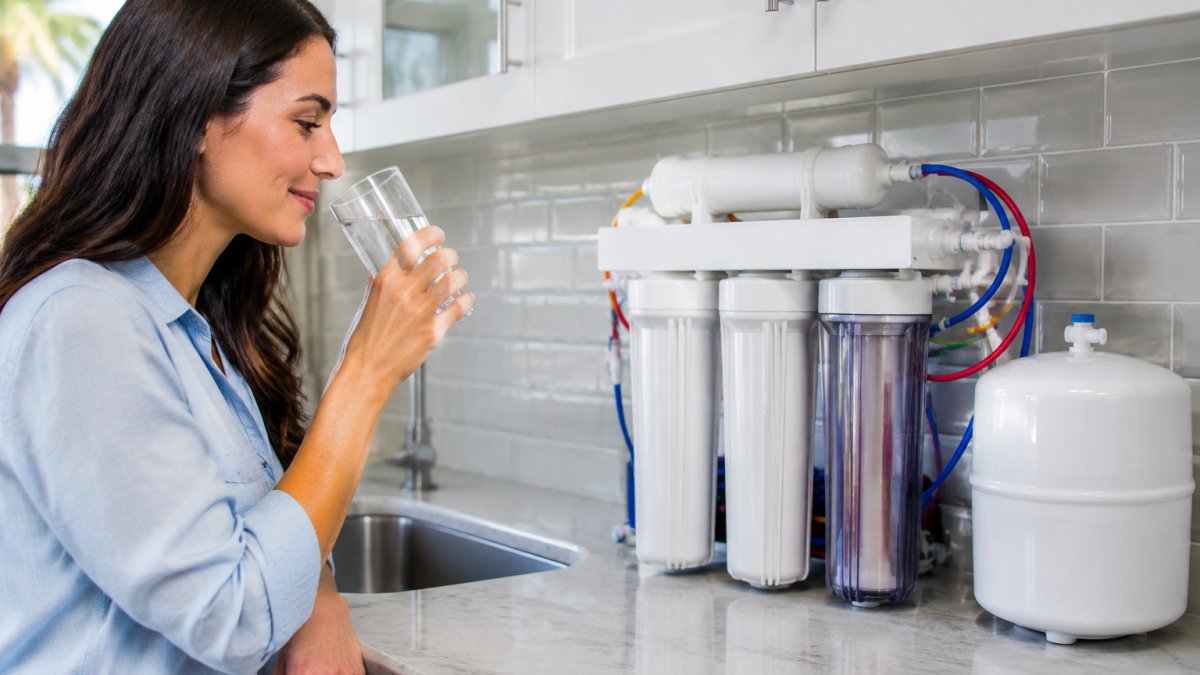
Reverse osmosis water filtration works by forcing tap water through a semipermeable membrane that blocks dissolved solids, contaminants, and particles too large to pass. The result is cleaner, better-tasting drinking water at the point of use.
The process runs in stages. A sediment filter catches sand and rust first. A carbon filter then strips chlorine and volatile organic compounds. The water finally hits the membrane, where dissolved salts, lead, and other contaminants are rejected and flushed away as reject water. A post-filter polishes the taste before the water reaches your glass.
That multi-stage design is why reverse osmosis water removes a broader range of dissolved contaminants than a simple pitcher filter. The membrane is the workhorse. The pre-filters protect it. Skip either, and performance drops.
7 Benefits of Reverse Osmosis for Drinking Water
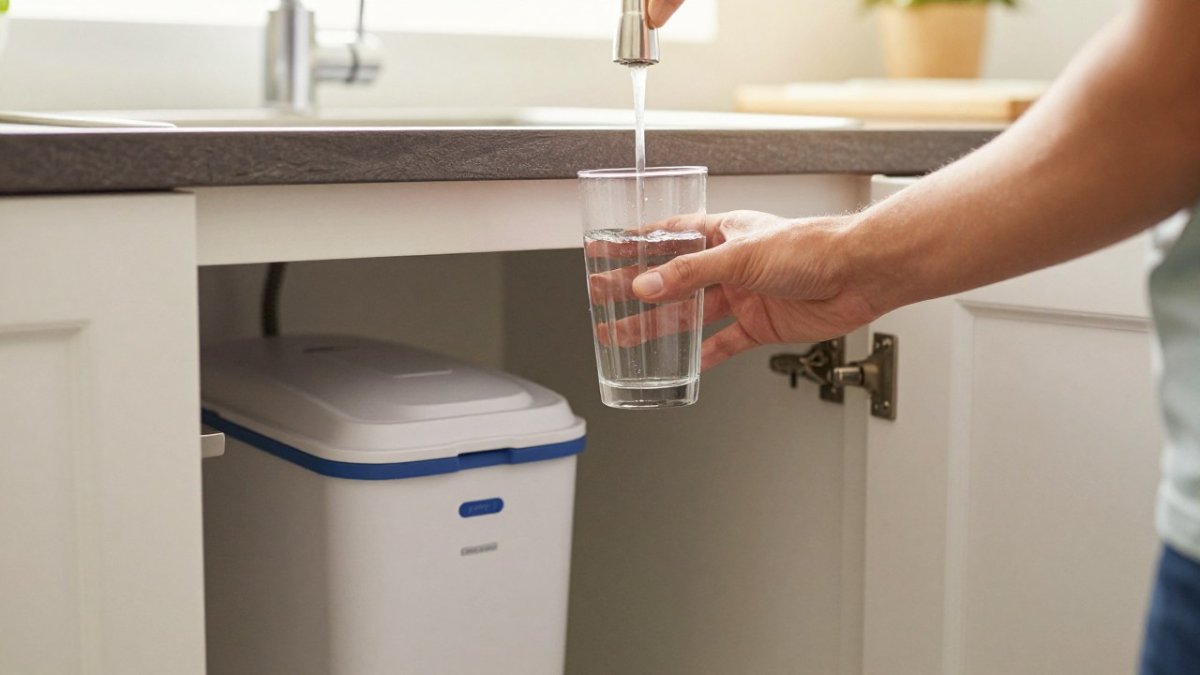
The benefits of reverse osmosis for drinking water come down to what the membrane removes and what that means for your glass, your cooking, and your health. Browse the drinking water systems Hummingbird Water Co installs across Miami-Dade and Broward Counties. Here are the seven that matter most:
-
Contaminant reduction across dissolved solids, lead, and chemical residues
-
Cleaner taste and odor with no chlorine aftertaste
-
Consistent quality for cooking, beverages, and hydration
Contaminant Reduction You Can Verify
A reverse osmosis system's real value is measurable. A reverse osmosis membrane reduces many dissolved solids and contaminants (the EPA). Confirm the specific contaminants any system is certified to reduce using its performance data sheet.
Verification is where most shoppers get it wrong. Look for NSF certification tied to specific standards, not a generic "certified" badge. The NSF International drinking water standards list exactly which claims a system has passed. Ask for the certification listing before you buy.
Better Taste, Odor, and Everyday Hydration
Chlorine and dissolved minerals are the usual culprits behind off-tasting tap water. Removing them changes how water tastes, smells, and performs in coffee, tea, and cooking.
If taste and odor are your main complaint, removing chlorine from your tap water is the deeper fix worth reading next.
Reverse Osmosis Water vs Filtered Water: Key Differences
Reverse osmosis water and standard filtered water differ in what they remove. A carbon pitcher filter handles chlorine and some odor. Reverse osmosis goes further, stripping dissolved salts, lead, and other contaminants a carbon filter leaves behind.
| Feature | Reverse Osmosis | Carbon Pitcher Filter |
|---|---|---|
| Dissolved salts | Reduced | Not removed |
| Lead and heavy metals | Reduced | Limited |
| Chlorine and odor | Removed | Removed |
| Installation | Under-sink, point-of-use | None |
| Maintenance | Filter replacement | Cartridge swap |
Neither is "better" in a vacuum. Match the system to your water test, not to a marketing claim. Comparing options side by side? Our roundup of the best water filtration systems for South Florida homes covers the trade-offs.
Does Reverse Osmosis Remove Minerals?
Yes. Reverse osmosis removes dissolved minerals along with contaminants, because the membrane rejects dissolved ions regardless of whether they are beneficial or harmful. Calcium, magnesium, potassium, and sodium are caught by the same mechanism that catches lead and arsenic. That is a real trade-off, and it deserves a more precise answer than "minerals don't matter."
What the removal actually means for nutrition
The minerals in drinking water are a small fraction of most people's intake. Dietary sources, dairy, leafy greens, nuts, legumes, and fortified foods, supply the bulk of calcium and magnesium for typical diets. That said, the framing should stay honest: if your diet is limited or you rely on water as a meaningful mineral source, the reduction is worth discussing with a clinician rather than dismissing.
Why remineralization exists, and what it does
A remineralization stage adds back a controlled amount of calcium and magnesium, usually through a cartridge containing mineral media. Its most reliable effects are on taste and mouthfeel: fully demineralized water can taste flat, and a small mineral addition rounds it out. Some systems also use a calcite or corrosion-inhibitor cartridge to adjust pH and protect downstream plumbing. Remineralization is not a substitute for dietary minerals, and it does not restore the full mineral profile of the source water, it is a taste and balance adjustment, not a nutritional supplement.
When the mineral question should change your decision
Mineral content is a secondary concern for most households, but it moves up the list in a few situations: if you cook and drink almost exclusively RO water, if your household includes people with restricted diets, or if you simply dislike the taste of demineralized water. In those cases, a remineralization stage is a reasonable add-on. In most others, the contaminant reduction is the benefit that matters and the mineral loss is a minor trade-off.
The CDC guidance on water treatment is a plain-language reference for how treatment affects water quality, and it is a useful starting point if you want to weigh the trade-off against your own household's needs.
How Often to Change Reverse Osmosis Filters
Replacement intervals vary by system and water quality. Follow the manufacturer's schedule for pre-filter, carbon, and membrane changes. Reject-water volume and your incoming water quality push those intervals around.
Sediment and carbon filters protect the membrane, and the post-filter affects taste. Follow the manufacturer's schedule for replacements.
Book a Water Test Before Choosing a System
A water test is the only honest way to size a reverse osmosis system. It tells you what your water actually contains, so you buy the right capacity instead of guessing. At Hummingbird Water, we test first and build the system around the results, using NSF-certified components installed by our own crew.
Ready to see what is in your water? Book a reverse osmosis installation in Pinecrest or schedule service in Miami with our reverse osmosis team in Miami.
The real challenge is that no two homes have the same water, so a one-size system rarely fits. Hummingbird Water sizes every reverse osmosis system from your test results, builds it with NSF-certified components assembled in the USA, and installs it with our own crew rather than subcontractors. Get started with Hummingbird Water and put a system built for your water under your sink.
Frequently Asked Questions
What is the downside of reverse osmosis water?
The main downsides are water waste, mineral removal, and maintenance. A typical RO system sends two to four gallons of reject water to the drain for every gallon it produces, though newer systems reduce that ratio. RO also strips beneficial minerals like calcium and magnesium, which you can address with a remineralization stage. Finally, pre-filters and membranes need regular replacement, so budget for filter costs and occasional membrane changes.
Is it healthy to drink reverse osmosis water every day?
The minerals it removes, mainly calcium and magnesium, are a small part of most diets. If you are concerned about mineral intake, choose a system with a remineralization cartridge or rely on food sources for those nutrients. Talk to your doctor if you have specific dietary needs.
Does reverse osmosis remove all contaminants from tap water?
No single filtration method removes everything. A reverse osmosis system with a semipermeable membrane and carbon pre-filter reduces many dissolved contaminants. The specific contaminants a system reduces depend on its certification and performance data. Check the system's NSF certification and performance data sheet for the specific contaminants it is tested to reduce.
How often should I change reverse osmosis filters?
Replacement timing depends on the system, your water quality, and daily usage. Follow the manufacturer's recommendations, and consider a local water test to help set a realistic schedule. Mark your calendar and follow the manufacturer's recommendations.